









Dark mode has become increasingly popular recently, with most companies integrating a dark mode option into their websites. While many studies claim that using dark mode may reduce eye fatigue and cut back on blue light exposure, there has been an ongoing debate on dark mode vs light mode.
So, is dark mode better for your eyes or it’s just a UX trend? Before reaching a conclusion, let’s learn more about this trending feature and closely examine various scientific findings.
What is dark mode?
Dark mode is a display option for digital devices that enables a dark background with lighter text (negative contrast polarity) to reduce the amount of blue light emission.
The primary reason behind using dark mode or dark theme is to offer a comfortable viewing experience, especially in low-light conditions. Most popular websites like YouTube and Google have now embraced this feature and provide the option to choose the dark theme from settings.

What are the benefits of dark mode?
A recent statistic shows that people have 6 hours and 58 minutes of screen time per day on average. This alarming increase in average screen time comes with severe effects on our vision and causes fatigue and other diseases including Computer Vision Syndrome (CVS).
The blue light that emits from digital devices is considered one of the key reasons behind such eye conditions. In this regard, the default black background that comes with dark mode may have a good impact as it reduces blue light (a type of high-energy visible light) exposure and can improve screen time.
Also, texts appearing on a dark background have more contrast and can reduce strain on the eyes.
Another popular benefit of the dark mode is increased battery health. Especially on an OLED screen dark mode can significantly improve your battery health.
Is dark mode better for your eyes?
Several pieces of research over the years have found the dark mode to have positive effects on our vision, resulting in reduced eye strain and better visual comfort. In addition, dark mode helps significantly to reduce screen glare mostly in dark environments.
What does the research say?
A group of researchers from the University of Central Florida found a significant increase in visual acuity and reduced visual fatigue using dark mode. The research was conducted on head-mounted displays and the dark mode was favored among the participants in complex and low-light backgrounds.
A 2025 study presented at the ACM ETRA Symposium found that for complex tasks, dark mode consistently outperformed light mode in task accuracy among young adult users. For simple tasks, both modes performed similarly.
Another study published in the Ergonomics journal found that younger age groups showed more positive emotions while using dark mode and preferred it for aesthetic reasons.
An article from the American Academy of Ophthalmology recommends setting devices to dark or night mode in the evening to reduce exposure to blue light. The lower screen brightness and warm colors of dark mode help our bodies to think it’s nighttime and it can help us get a night of good sleep.
Although these studies present the possible benefits of dark mode for eye health, there is still no concrete evidence of the impact of dark mode on improving eye conditions. Most of such research is still in the early stage and is likely to provide better results in the future.
So, it’s important to use dark mode in moderation and find the best possible way to comfort your eyes.
The benefits of dark mode for eye health and other use cases
There are many practical benefits of dark mode related to eye health including reducing eye strain, cutting down blue light exposure, and making text legible. In addition, it can also help us concentrate and save our battery.
1. Dark mode helps reduce eye strain
In a dark environment, our eyes tend to work extra hard when looking at a bright screen. Enabling dark mode can prevent that and add comfort to our eyes.
2. Dark mode may cut down blue light exposure
Blue light is considered a culprit behind conditions like dry eyes and blurred vision. It also influences our sleep cycle and can prevent us from getting sufficient rest if we expose ourselves to it before bedtime. Dark mode can prevent such exposure and provide us with a good night of sleep.
3. Dark mode makes the text more legible
While thinking about readability, text tends to pop out more in a dim background. The high contrast ratio between a dark background and light text can make it easier to read texts, especially in low-light situations.
4. Dark mode improves concentration
When we work on a computer or mobile device without break, our eyes get tired and we experience complications like headaches, and eye strain and eventually interrupting our concentration. In such cases, dark mode is known for reducing screen glare and improving focus.
As the texts appear more prominently on a dark background, the contrast ratio alone helps us concentrate more on the content visible on our screen.
5. Dark mode saves battery life
According to a study conducted by Purdue University in 2021, on OLED screens dark mode can save around 39% to 47% battery life while keeping the phone at maximum brightness. So it’s an excellent choice for someone conscious about their battery health.
The potential drawbacks of dark mode for eye health
Despite having many benefits, the dark mode also has some possible drawbacks that are worth mentioning.
- Increased glare and reflections in bright environments: Dark mode reduces glare on the screen in dark environments. But in a bright environment, it can also create distractions with other lit areas in the surroundings. This can result in headaches and eye strain.
- Potential for increased screen time: Considering dark mode reduces eye strain and blue light exposure at night it can promote increased screen time. Regardless of the display setting (night mode or light mode), spending large amounts of time in front of the screen can still lead to eye strain and other visual diseases.
Dark Mode vs Light Mode: Which Is Better for Your Eyes?
Whether dark mode is actually better for your eyes depends on several factors: your ambient lighting, the type of task you are doing, your screen brightness, and your personal vision. There is no single answer that works for everyone.
| Factor | Dark Mode Works Better | Light Mode Works Better |
|---|---|---|
| Ambient lighting | Dim, low-light, or evening conditions | Bright or daytime environments |
| Time of day | Evening and nighttime | Morning and daytime |
| Task type | Complex, focused work | Long-form reading and scanning |
| Eye condition | Photophobia or light sensitivity | Astigmatism (dark screens can cause a halo effect) |
| Device type | OLED/AMOLED screens | Standard LCD screens |
An April 2025 study published in the International Journal of Environmental Research and Public Health found no statistically significant difference in overall visual fatigue between light and dark mode in tablet users. However, dark mode showed better critical flicker frequency scores and fewer reported dry eye symptoms after extended use.
A 2024 study from the ACHI conference, involving 150 participants across six hours of screen use, found no significant overall difference in eye strain between modes. Individual factors — ambient lighting, screen brightness, and refractive errors such as astigmatism — were stronger predictors of visual comfort than mode choice alone. For WordPress users, results may also vary based on dark mode compatibility with your active theme and plugins.
Tips for Using Dark Mode Safely
When should you use dark mode?
As mentioned above dark mode can reduce eye strain and provide a comfortable viewing experience. But like any other feature, you should also use dark mode in moderation. As dark mode performs better in a dark environment, you may use it at nighttime to enjoy its benefits.
Also, you should keep in mind that only using dark mode will not prevent you from getting most eye problems. So also try to follow other popular practices like the 20-20-20 rule to provide your eyes with regular rests.
How to add dark mode to your website?
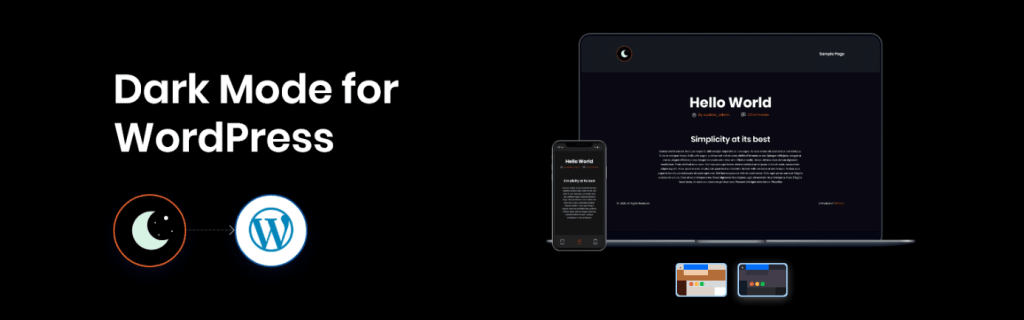
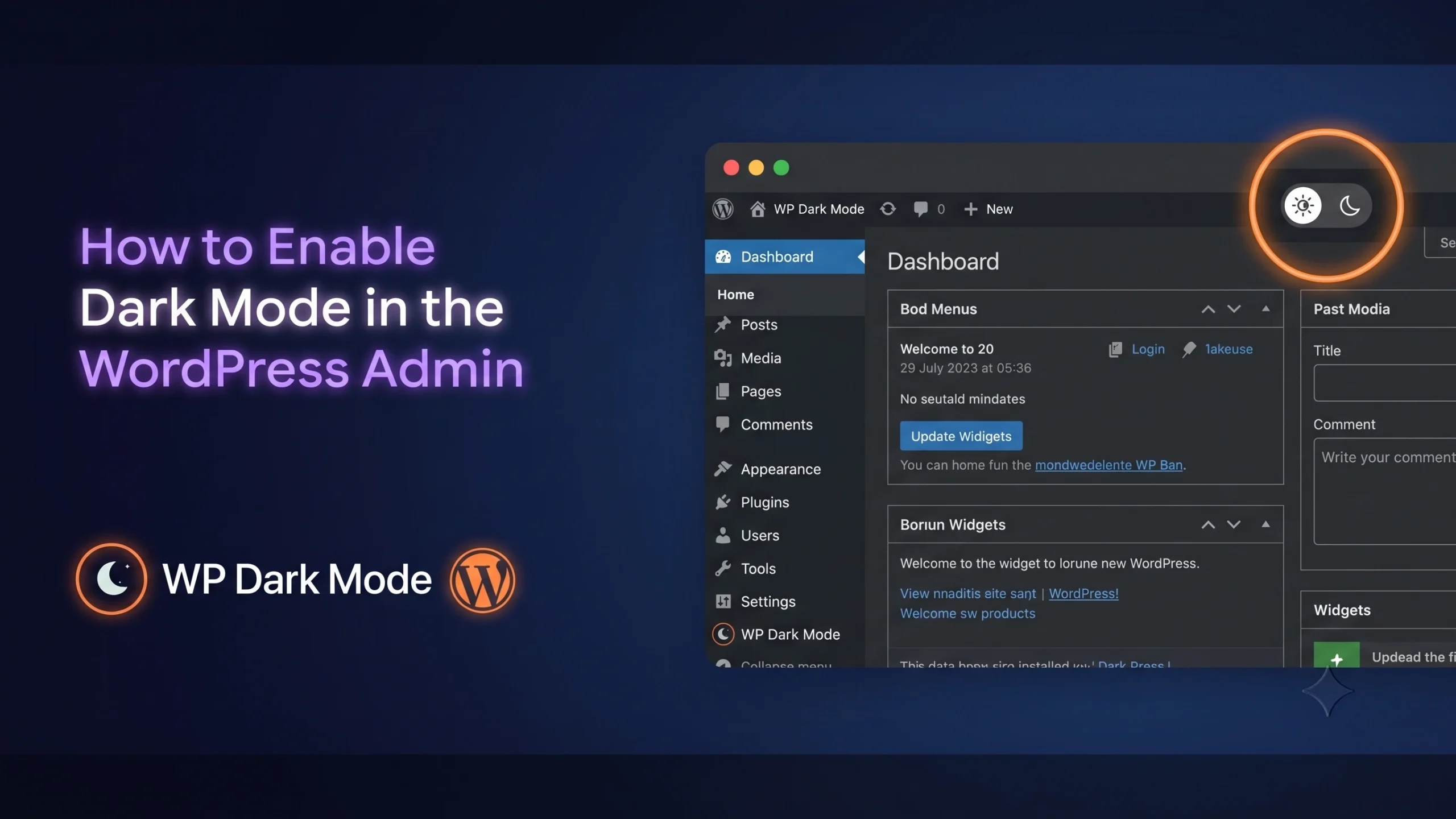
If you are using a content management system (CMS) like WordPress adding dark mode to your website is child’s play. Simply install and activate the WP Dark Mode plugin from your WordPress dashboard to enable a dark mode version of your website to visitors. This plugin also allows a time-based dark mode feature to let you decide exactly when you want the dark theme on your website.
Conclusion
So, is dark mode better for your eyes? It can be, particularly during long screen sessions in dim or low-light environments. But you should still use it in moderation and remember to take good care of your eyes.
If you have any other queries regarding this topic, please let us know in the comment section, and we will get back to you.
You can also read our comprehensive guide on WordPress dark mode to learn important tips and tricks about implementing dark mode in your website.
FAQ
Is putting your Phone on dark mode better for your eyes?
Dark mode can reduce eye strain and provide a comfortable viewing experience in a dark environment. So putting your phone in dark mode may be a better option for your eyes depending on your surroundings.
Is dark mode better for eyes than light mode?
Neither is universally better. Dark mode reduces blue light exposure in low-light environments and can ease digital eye strain during evening use. Light mode tends to work better in bright conditions. The right choice depends on your ambient lighting, screen brightness, and personal vision factors.
Is dark mode better for your eyes during the day?
Generally, no. In well-lit or daytime conditions, light mode tends to be easier on the eyes because the screen brightness aligns with ambient light. Dark mode can create contrast issues and glare from surrounding light sources in bright environments. For most users, light mode is the better choice during the day.
Why do people prefer dark mode?
People prefer dark mode as it helps with eye strain and improves concentration. Also, texts pop out in dark mode and look more attractive in general.
Does night mode reduce blue light?
Night mode can reduce blue light exposure and can improve sleeping habits.
Is dark theme or light theme better for eyes?
A dark theme can improve the viewing experience and reduce eye strain in low-light conditions. Whether dark theme or light theme is better for your eyes depends on your environment; dark works best at night, while light mode generally suits daytime use better.
Does dark mode reduce eye strain?
Yes. Dark mode helps reduce eye strain by cutting down blue light exposure and making text legible.
Is light mode good for eyes?
Yes, light mode can be comfortable in bright environments where screen brightness aligns well with ambient light. For users with certain refractive errors, light mode may also reduce the halo effect that can occur with light text on dark backgrounds. The key is matching your display mode to your surroundings and lighting conditions.



Add your first comment to this post